

The question “What does a crypto scam scanner do?” has become highly relevant in 2026. As the crypto market expands with thousands of new tokens launching every week, scams have also evolved. Traders face a constant threat from rug pulls, honeypots, fake presales, manipulated tokens, and malicious smart contracts. Even skilled traders struggle to detect scams manually because modern rug pulls and contract exploits are designed to look legitimate.
This is where a crypto scam scanner becomes an essential tool. A scam scanner analyzes the safety and integrity of a token before a trader buys it. It checks for technical, behavioral, and structural red flags that the human eye cannot detect quickly. Platforms like Crypto24x7 now offer advanced scam scanning tools that help traders avoid unsafe projects and protect their portfolios.
This blog explains in simple, clear language what a crypto scam scanner does, how it works, why traders need it, and how it fits into safe trading in 2026.
The Purpose of a Crypto Scam Scanner
A crypto scam scanner is designed to identify whether a token is safe, risky, or a potential scam. It serves one primary purpose:
To protect traders from losing money to dangerous tokens.
The scanner evaluates multiple on-chain factors such as contract code, liquidity behavior, ownership rights, tax mechanics, and suspicious activity patterns. These are signs that most traders cannot recognize without advanced tools.
While crypto screeners help traders find opportunities, scam scanners help them avoid danger. Both are necessary for safe trading.
Key Functions of a Crypto Scam Scanner
Below are the major functions that a modern scam scanner performs.
1. Smart Contract Safety Analysis
Every cryptocurrency token runs on a smart contract. If the contract contains malicious functions, the token becomes unsafe.
A scam scanner checks for issues such as:
-
Unrestricted minting privileges
-
Hidden functions that allow manipulation
-
Backdoor access for developers
-
Transfer blocking
-
Fee manipulation
-
Blacklisting functions
-
Owner dominance
If any of these exist, the scanner flags the token as risky.
2. Honeypot Detection
A honeypot scam allows users to buy a token but prevents them from selling it.
A scam scanner simulates real transactions to detect:
-
Whether selling is blocked
-
Whether fees make selling impossible
-
Whether the contract traps buyers
Honeypots are one of the most common scams in new crypto tokens launched on Solana, Ethereum, and BNB Chain.
3. Liquidity Safety Verification
Liquidity is what allows traders to buy and sell tokens. If liquidity is not locked, developers can withdraw all funds instantly.
The scanner checks:
-
Liquidity lock duration
-
Liquidity ownership
-
Liquidity removal patterns
-
Locked vs unlocked percentage
An unlocked liquidity pool is one of the strongest indicators of a rug pull.
4. Ownership and Permission Audit
If a single wallet controls the token or contract, the developer can manipulate supply, block trading, or withdraw liquidity.
The scanner checks:
-
Contract ownership status
-
Admin privileges
-
Developer wallet control
-
Ability to modify fees or limits
-
Authority to disable trading
Tokens with centralized ownership are high risk.
5. Whale and Distribution Analysis
A scam scanner studies token distribution to detect manipulative structures such as:
-
One wallet holding too much supply
-
Whales accumulating immediately after launch
-
High concentration of tokens in developer wallets
-
Suspicious token movements
Uneven distribution often leads to pump-and-dump schemes.
6. Tax and Fee Structure Examination
Many scam tokens use hidden taxes to trap users. For example, a token may charge 90 percent sell fees.
A scam scanner identifies:
-
Legitimate tax rates
-
Hidden adjustable taxes
-
Fee spikes
-
Future fee manipulation possibilities
These insights help traders avoid tokens designed for exploitation.
7. Trading Pattern Analysis
Modern scam scanners evaluate the trading patterns of a token, such as:
-
Sudden price spikes
-
Unusual volumes
-
Wash trading
-
Artificial pumps
-
High-frequency manipulation
These patterns usually signal insider activity or planned rug pulls.
8. Social Activity and Project Credibility Rating
Even though blockchain data is reliable, social credibility also matters.
A scam scanner may evaluate:
-
Authenticity of social accounts
-
Engagement patterns
-
Age of community channels
-
Website quality
-
Developer transparency
Scammers often use fake social hype to lure investors.
9. Risk Score Generation
After analyzing all factors, the scam scanner provides:
-
A risk score
-
A risk classification (low, medium, high)
-
Warning alerts
-
Specific reasons for risk
-
Safety recommendations
This summary helps traders make informed decisions in seconds.
10. Helps Avoid Rug Pulls and Fake Tokens
In 2026, rug pulls remain the most common type of crypto scam.
A scam scanner helps traders avoid:
-
Fast rug pulls
-
Slow rug pulls
-
Fake presales
-
Fake staking tokens
-
Tokens created for only short-term pumps
These scams are increasingly difficult to spot manually.
Why Crypto Traders Need Scam Scanners in 2026
The crypto market grows fast, but scams grow even faster. Traders need scam scanners because:
-
Scammers create tokens in minutes
-
Smart contracts hide malicious patterns
-
New chains like Solana allow rapid token launches
-
Social media hype makes scams look real
-
Fake influencers sponsor dangerous coins
-
Beginners cannot decode contract details
A scam scanner serves as a first line of defense.
How Crypto24x7 Enhances Safety for Traders
Crypto24x7 provides a complete set of tools that help traders stay safe and informed.
Crypto24x7 Scam Scanner Tool
This tool checks:
-
Rug pull patterns
-
Contract risk
-
Liquidity behavior
-
Honeypot detection
-
Developer control
-
Suspicious code
It gives a safety score that helps traders make safe decisions.
Crypto24x7 Crypto Screener
Helps find trending coins, filter by indicators, and analyze opportunities.
Crypto24x7 Spot Trading Resources
Traders learn how to trade safely, avoid scams, and understand market behavior.
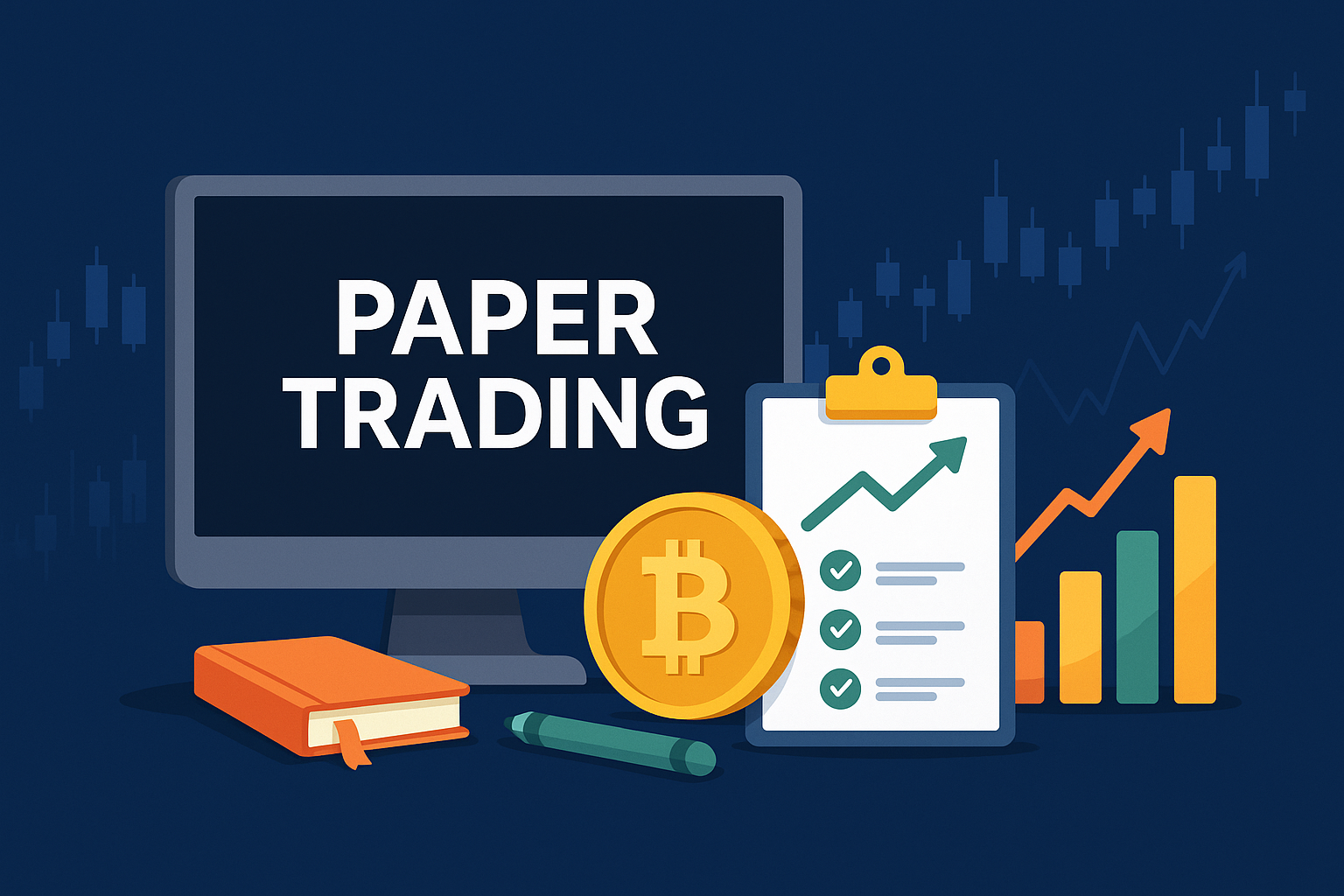
Crypto24x7 Free Paper Trading
Helps beginners practice without risking real money.
Together, these tools create an ecosystem where both opportunity and safety are balanced.
FAQs
1. What does a scam scanner check?
Contract safety, liquidity, ownership, honeypot behavior, taxes, and suspicious activity.
2. Can a scam scanner detect phishing websites?
No. It detects token scams, not website scams.
3. Is a scam scanner necessary for beginners?
Yes. Beginners are the most common victims of crypto scams.
4. Do scam scanners guarantee safety?
No tool can guarantee safety, but they significantly reduce risk.
5. Are scam scanners free on Crypto24x7?
Yes, the Crypto24x7 Scam Scanner Tool is free for users.
Final Thoughts
Understanding what a crypto scam scanner does is essential for every trader in 2026. It analyzes the token’s smart contract, liquidity, ownership structure, taxes, and trading behavior to identify scams before they happen. While no tool is perfect, scam scanners remain the strongest defense against rug pulls, honeypots, and malicious tokens.
Using tools like Crypto24x7’s Scam Scanner, AI Screener, and Paper Trading platform gives traders the confidence to explore opportunities safely while avoiding dangerous traps.





Leave a Reply